- AcaiveTime:2025-08-15 ~
- Time:
- 2025-08-15
- Unit:
- Library & Information Center
- Content:
-
(Forwarded from a report by Liu Yu-chieh, Liberty Times)
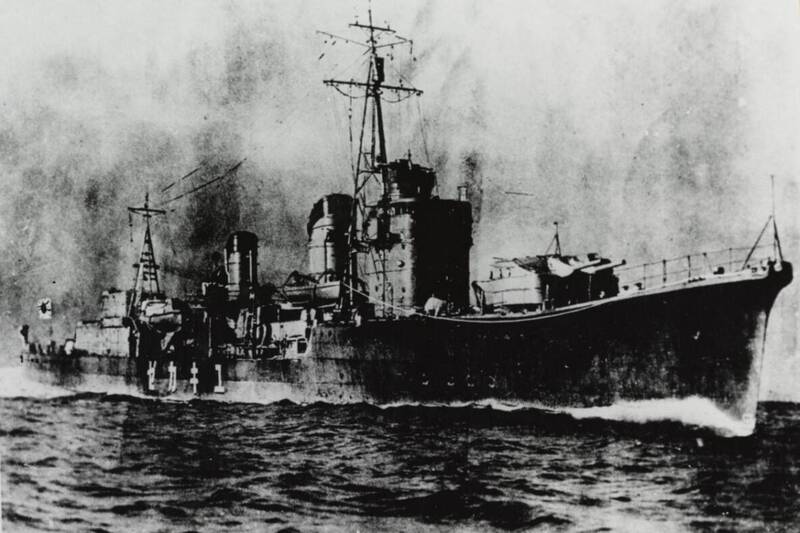
The film *Yukikaze*, scheduled for release in Japan this month, tells the story of the unsinkable Japanese Navy ship "Yukikaze" during World War II. This ship also has deep ties to Taiwan, having been transferred to Taiwan after the war and renamed the "Danyang" warship, becoming the flagship of the Taiwanese Navy! Riding the wave of the film's popularity, Liaoyuan Publishing has also released a new translated book, *Yukikaze: The Last Miracle of the Combined Fleet's Rise and Fall*. A Japanese naval author vividly recounts the Yukikaze's combat experiences through interviews with the ship's officers and crew, presented in a narrative style.
The predecessor of the Chinese Navy's "Danyang" warship was actually the Japanese Navy's Kagero-class destroyer "Yukikaze." This ship boasts an extraordinary and legendary history, participating in almost all the major battles of the Pacific War, from the early stages of the war, including the Battle of Surabaya, the Battle of Midway, the Battle of the Solomon Islands, the Battle of the Philippine Sea, the Battle of Leyte Gulf, and the Yamato attack. Miraculously surviving various bloody attacks and returning unsunk, it was hailed as a "lucky ship" by the Japanese military.
The Yukikaze's combat history perfectly witnesses the rise and fall of the Japanese Combined Fleet. From its initial menial escort duties to its increasingly crucial role, as its sister ships of the same type were lost in battle, the Yukikaze, remaining on the battlefield, gradually became the center of operations.
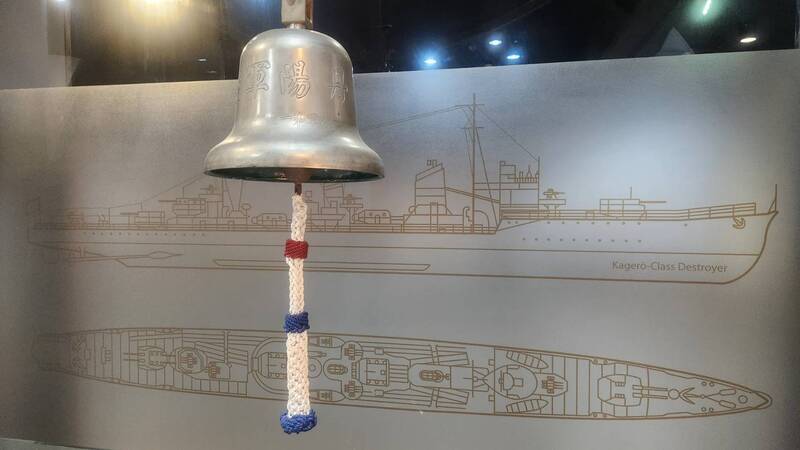
In 1947, the Yukikaze was transferred to the Republic of China Navy as a postwar reparations ship and renamed "Danyang." It served as the flagship of the ROC Navy for many years until its official decommissioning and scrapping in November 1966. Its rudder and anchor were eventually sent back to Etajima Island, Japan, as a memorial, a training ground for Japanese naval officers. The ship's bell engraved with "Danyang" is now on display at the Zuoying Military Region Story Museum.
The author of this book, Toyoda Yutaka, was a former Japanese naval aviator. He graduated from the Japanese Naval Academy (68th class) in August 1940 and joined the Kasumigaura Air Group in May 1941. Based on his physique and characteristics, he became a carrier-based dive bomber pilot, not a Zero fighter pilot. In April 1943, during Operation I-Go in the Solomon Islands, he was shot down and, after drifting at sea for a week, became a prisoner of war by the American forces. He returned to Japan in January 1946 and joined the Chunichi Shimbun newspaper.After the war, through interviews with surviving officers and soldiers and by consulting numerous diaries and documents, Yutaka Toyoda reconstructed the experiences of those rank-and-file soldiers who struggled to survive amidst blood and fire, realistically presenting the "Yukikaze's" journey on the battlefield. Military experts have affirmed the book's meticulous descriptions of the Kagero-class destroyer's design details and deployments in various battles, regarding it as an important document for studying Japanese destroyer operations. Even though it was published more than 40 years ago, it remains an indispensable text for reading Japanese war chronicles.
- Links:
- Contact:
- Note: